
Buying a newly built home can be exciting, but it also carries a certain level of risk if you’re unsure what to look for. Many first-time buyers assume a brand-new home is perfect. Yet even new homes can have mistakes, delays, or unfinished details. The new construction home inspection checklist helps you slow down, stay calm, and make wise choices. It shows you what matters most and how you can protect your investment from the start. When you know what to check, you save time and money. You also avoid stress later. With the right guide, you can walk into your new home with confidence, ask the right questions, and make sure everything works as it should.
Why You Need a New Construction Home Inspection Checklist
Many first-time buyers wonder, “Do I really need an inspection for a new home?” The answer is yes. Builders strive to do good work, but mistakes inevitably occur. Even with inspections during Construction, some issues can slip through.
A Checklist Helps You:
- Stay aware of minor problems early
- Ask your builder direct questions
- Keep records of what needs fixing
You gain peace of mind when you know each part is checked. Even more, you use the checklist to guide follow-ups.
Here is a simple table showing why inspections matter and what’s in it for you:
| What You Check | Why It Matters | Benefit |
| Structure | Safe and stable home | Protects long-term value |
| Systems | Heating, plumbing, and electrical | Cuts the risk of breakdowns |
| Finishes | Floors, paint, doors | Ensures your home looks right |
| Safety Features | Alarms, railings | Keeps your family safe |
When you follow a clear path like this, you avoid trouble in the future and feel more confident at closing. These steps also help you communicate more effectively with your builder, as you can pinpoint exact concerns instead of making assumptions. That level of clarity keeps the project moving smoothly and reduces misunderstandings that can delay your move-in date.
Exterior Inspection Basics
Before you walk inside, start with the outside. The exterior shows how well the builder handled major work. Although the home is new, weather and rushed labor can cause issues.
- Look for cracks in the walls or gaps around windows
- Check if the roof sits flat and the shingles are secure
- Make sure gutters attach well and drain away from the home
As you walk around, think about how water flows during rain. Water problems are common, even in new homes. When you spot issues early, you avoid serious repairs. Also, ask the builder: “Can you explain how you tested the outside drainage?” This question shows you care about long-term safety.
Additionally, take a moment to review how the grading slopes around your house. If the ground tilts toward the home instead of away, water can pool, leading to foundation problems. Although this may seem small, it plays a significant role in the future health of your home. Strong exterior checks help you feel confident that the outside can handle real-world weather.
Plumbing Review and Water Safety
When you move into a new home, you want every faucet, drain, and pipe to work right away. Since plumbing issues can get expensive fast, this check is one of the most important.
A strong new construction home inspection checklist always covers plumbing questions like:
- Do faucets run with a steady water flow?
- Do drains clear quickly without backing up?
- Do pipes show any signs of leaks?
“Water problems never stay small.”
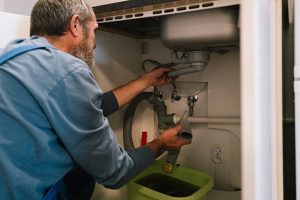
Ask the builder if the pipes were pressure-tested. This helps you know the system can handle everyday use. Also, turn on every shower and toilet. It may feel silly, but it protects your home and budget. Push a little further by checking under sinks and around tubs for moisture or dampness. These areas often reveal leaks long before walls do. Simple steps like this keep your future repairs minor instead of overwhelming. With plumbing, early action is your best defense.
Structural Areas to Review
“Strong bones make a strong home.”
This idea stays true even with new builds. The structure holds the entire home together. When you review it, you learn if everything sits level and solid. Even small mistakes during framing can lead to bigger problems later.
Use Your Checklist to Look For:
- Uneven floors
- Warping in beams
- Loose railings
- Cracks near corners
You want a safe place for your family, and the structure is the base. While the builder should check these items, your own review adds another layer of protection.
Here Are Some Quick Reminders:
- Walk through each room slowly
- Notice if doors close easily
- Watch for soft spots in the floor
Taking extra time here can help you identify issues that may worsen over time under daily use. Even the most minor shifts can cause future damage if left unaddressed. By paying close attention now, you protect your home from problems that could cost far more to fix once you have moved in.
Electrical System and Safety Features
Electric systems keep your home running. Because of this, they must be safe, steady, and up to code. Even new homes sometimes have loose wires, missing outlets, or switches that do not work.
To Keep Things Simple, Check These Points:
- Test every switch
- Plug something into an outlet
- Look at the electrical panel for clear labels
Also, Make Sure:
- Smoke alarms are installed and working
- Carbon-monoxide detectors are present
You deserve a safe home, especially if you have children or pets. A well-maintained electrical system also helps your appliances function correctly and reduces safety risks. Finally, ask: “Were all systems tested after installation?” This shows you expect clear answers and helps you feel more confident. Taking time to check hallway lighting, bathroom fans, and exterior outlets adds an extra layer of security. These smaller items matter during everyday living and impact your comfort more than you may think.
HVAC System and Indoor Comfort
Indoor comfort matters every day. A new home should have heating and cooling systems that work well from the start. However, a rushed installation can cause odd noises or weak airflow.
Check These Items:
- Turn on the heat and air conditioning
- Make sure vents blow steady air
- Listen for loud or shaking sounds
Your builder should explain how long the system was tested. When you know the HVAC works well, you can relax during hot or cold seasons. Also, check if the thermostat works correctly. Even minor wiring errors can cause significant changes in indoor comfort. You want a home that keeps you warm, calm, and safe. By testing multiple rooms, you also confirm that air flows evenly throughout the house, which helps prevent hot or cold spots from developing later.
Interior Spaces and Finish Checks
The interior finishes reveal how carefully the builders worked. While finishes are small details, they impact how you feel in your home. Even more, they can reveal rushed labor.
Use These Opinions to Guide Your Check:
- Look at the paint for streaks or thin spots
- Open each cabinet and drawer
- Check tile lines for even spacing
- Test doors to ensure they latch
Your home should feel solid when you walk through it. Smooth floors, clean trim, and even walls help you enjoy the space right away. This phase of the checklist ensures you’re comfortable and allows you to request repairs while the builder is still on site. If you inspect stair railings, window tracks, and closet shelving again, you can see minor problems that worsen over time. These tests make sure that your new home not only appears finished but also feels finished.
Final Walkthrough Tips and Next Steps
During the final walkthrough, you bring everything together. At this stage, use your new construction home inspection checklist as your guide. This ensures you don’t miss essential items, even when you’re feeling excited.
Break The Walkthrough into Sections:
- Room-by-room checks
- System tests
- Safety checks
- Notes for repairs
If the builder says something will be fixed later, ask for it in writing. This keeps everyone clear and avoids future stress.
Room Checks
Walk through each space and test doors, windows, and outlets.
System & Safety Review
Run HVAC, plumbing, and electrical systems to confirm everything works properly and is adequately protected.
Repair List
Write clear notes of what needs attention before closing.
Ready To Move Forward? Here Is What Matters Most…
A new home should feel safe, comfortable, and ready for your next chapter. When you use a new construction home inspection checklist, you protect your investment, avoid hidden problems, and gain the confidence you deserve. Your first home is a significant milestone. With the steps outlined in this guide, you can take control, stay calm, and ensure everything is right from day one. As you walk through each part of your new home, remember that you are not just checking for flaws—you are making sure the space supports your daily life. By asking questions, taking notes, and staying alert, you set yourself up for a smoother move-in and fewer surprises. With clear expectations and a steady plan, you can enjoy the experience of settling into a place that reflects comfort, security, and long-term stability. For more helpful insights, visit Construct N Build.