Construction costs have a way of creeping up when you least expect them. A small design change turns into extra labor. A late delivery triggers downtime. Then, one quick fix becomes rework. However, the truth is simple: most budget problems do not start with bad luck. They start with gaps in planning, communication, and control.
That is why these construction cost saving ideas focus on what actually moves the needle: reducing waste, preventing rework, tightening schedules, and buying smarter. Most importantly, every idea below is designed to protect quality, not trade it away.
If you are a contractor, builder, or owner trying to keep a project healthy, use this as a practical playbook. You do not need magic. You need a repeatable system. These construction cost saving ideas are meant to be applied step by step, not all at once.
1) Start With a Budget That Matches the Scope
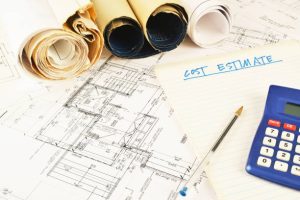
A ballpark number is useful early on. Still, it cannot run a project. Cost control gets easier when your budget is built from a real scope, real quantities, and real assumptions. This is where construction cost saving ideas start to become measurable instead of theoretical.
Do this early:
- Break the project into clear packages (sitework, foundations, framing, MEP, finishes).
- Build a simple quantity takeoff for major materials.
- Identify allowances and unknowns up front.
It saves money because vague scopes create vague pricing. And vague pricing creates change orders later. Also, write down what is not included. It feels awkward at first. Yet it prevents expensive disputes later.
2) Lock Decisions Earlier to Avoid Change-Order Creep
Late decisions are one of the biggest cost drivers in construction. Even small changes can cause a domino effect: new drawings, resubmittals, revised orders, and schedule delays. Many construction cost saving ideas fail simply because decisions are made too late. Instead, create a decision calendar that matches the schedule.
Examples of decisions to lock early:
- Window sizes and rough openings
- Plumbing fixture selections
- Electrical layouts and lighting plans
- Flooring transitions and finish levels
- Hardware sets and door swings
Then, hold short weekly check-ins that focus on upcoming decisions. This habit reduces stress and saves real money.
3) Use Value Engineering the Right Way
Value engineering is often misunderstood. People think it means cheaper materials. However, the best value engineering improves performance and reduces cost. Done correctly, construction cost saving ideas like value engineering protect both budget and durability.
Smart value engineering looks like this:
- Simplify structural spans when possible
- Reduce complex geometry that increases labor
- Standardize details to speed installation
- Swap to materials with better lifecycle cost
- Adjust sequencing to reduce handling and damage
For example, a slightly different framing layout can reduce waste, speed the crew, and simplify MEP routing. That is savings without sacrificing durability.
4) Control Rework with a First-Time-Right Mindset
Rework is expensive because you pay twice. You pay to install it once, and you pay to fix it again. Additionally, rework eats schedule time, and time equals overhead. Among construction cost saving ideas, reducing rework is one of the fastest ways to see results.
To reduce rework, tighten three things:
- Pre-task planning of 5–10 minutes before each critical activity
- Quality checkpoints that include quick inspections at the right moments
- Clear ownership of who signs off before you cover work
Simple quality checkpoints that prevent big problems:
- Framing plumb/level checks before sheathing
- Waterproofing inspection before tile
- Pressure tests before closing walls
- Substrate flatness checks before flooring
Moreover, take quick photos of concealed work. It helps later when questions come up.
5) Improve The Schedule to Reduce Overhead, Not Quality
Some of the best construction cost-saving ideas are scheduling ideas. That is because time is a hidden cost. Every extra day adds supervision, rentals, temp power, and site security.
Schedule improvements that reduce cost:
- Confirm long-lead items in week one
- Create a delivery plan for where materials land and when
- Use a 2-week look-ahead with trades
- Sequence work to avoid trade stacking
- Protect critical path activities from disruptions
Also, build a buffer where it matters. Ironically, the projects that plan for delays tend to delay less.
6) Cut Material Waste with Smarter Ordering and Handling
Material waste is not always dramatic. Often, it is a steady drip: extra cuts, damaged pallets, and incorrect orders. If you want construction cost saving ideas that do not disrupt crews, start here.
To reduce waste:
- Order by takeoff, not guesswork
- Use standard lengths where possible
- Store materials off the ground and covered
- Mark dedicated laydown areas
- Track leftovers and reuse them intentionally
Quick win: assign one person to verify deliveries the day they arrive. If you wait a week, the return window may be gone.
7) Buy Strategically: Procurement Is a Cost-Saving Tool
Procurement is not just getting quotes. It is deciding how you buy and when you buy. Construction cost saving ideas often live inside procurement decisions that happen before the job even starts.
Ways to save through procurement:
- Get bids from at least three qualified vendors
- Compare inclusions and exclusions line by line
- Negotiate alternates (equal spec, different brand)
- Bundle purchasing across multiple projects
- Lock pricing early for volatile materials
Furthermore, avoid the cheapest bid that looks incomplete. Low bids often become high bills later.
8) Standardize Details to Reduce Labor Hours
Labor is usually the highest controllable cost. So, small efficiency gains matter. Standardization helps because crews move faster when the work repeats.
What to standardize when possible:
- Door and window sizes
- Hardware sets and trim profiles
- Repeating framing details
- Common ceiling heights
- Typical bathroom/kitchen layouts
This does not mean boring design. It means building a smart kit of parts that saves hours without lowering quality.
9) Improve Communication to Avoid Costly Confusion
Miscommunication is a silent budget killer. A crew installs the old plan. Then, the updated plan appears. Now you have rework.
To prevent that:
- Keep one source of truth for drawings/specs
- Use RFIs for unclear details (even on small jobs)
- Document decisions in writing
- Track changes with a simple log
Also, do not rely on memory. A quick follow-up message can prevent a costly mistake.
10) Reduce Punch-List Chaos with Phased Quality Walks
Many teams wait until the end for a punch list. That creates a stressful scramble. Instead, use phased walks:
- Pre-drywall walks
- Pre-paint walk
- Pre-final walk
This approach catches issues when they are easy and cheap to fix. It also protects the final schedule, which keeps overhead down. Construction cost saving ideas work best when quality is checked before problems get buried.
11) Prevent Scope Gaps with Clear Specs and Clear Drawings
When details are missing, people fill in the blanks. Unfortunately, they often fill them differently.
To reduce scope gaps:
- Provide finish schedules
- Clarify tolerances
- Note critical installation requirements
- Coordinate MEP early with structural and architectural
Moreover, coordination is not optional on modern builds. It is the difference between smooth progress and constant change orders.
12) Choose Materials that Reduce Maintenance and Callbacks
Quality is not only how something looks on day one. It is how it performs over time. Callbacks cost money, reputation, and time.
Consider materials that:
- tolerate moisture better
- Resist wear in high-traffic zones
- Install consistently (less chance of failure)
- have reliable warranties and supply chains
Sometimes the cheaper product costs more once repairs and replacements appear. Therefore, look at the total cost, not just the purchase price.
13) Use Prefabrication Where It Truly Fits
Prefabrication can reduce labor hours and onsite errors. Still, it works best when the design is stable, and logistics are planned.
Good candidates include:
- bathroom wall assemblies
- MEP racks in commercial projects
- cabinetry and casework packages
- stair components and rail systems
However, prefabrication fails when measurements are sloppy. So, verify field dimensions carefully before you commit.
14) Track Costs Weekly, Not When It’s Too Late
A budget review at the end of the month can feel responsible. Yet weekly tracking is what prevents surprises. Construction cost saving ideas become sustainable when cost tracking is consistent.
Weekly cost control basics:
- Compare committed costs to the budget
- Review open change requests
- Track labor hours versus production goals
- Update forecast for each major division
Then, act early. Small corrections now prevent painful cuts later.
15) Protect Productivity with a Clean, Organized Site
This sounds basic, but it matters. Crews lose time walking around obstacles, hunting for tools, or shifting materials.
Cost-saving site habits:
- Keep access routes clear
- Stage materials near the point of use
- Label storage zones
- Maintain a daily cleanup routine
- Post the plan and schedule where everyone can see it
Because when the site runs smoothly, quality goes up and costs go down.
16) Reduce Risk with Safety Planning
Accidents are expensive. They cause delays, claims, rework, and morale problems. A safe site is often a more productive site.
So:
- Run short toolbox talks
- Enforce PPE consistently
- Plan lifts and high-risk work
- Keep housekeeping tight
Moreover, safety planning supports quality. Focused crews make fewer mistakes.
17) Build A Realistic Contingency and Use It Wisely
Contingency is not extra money to spend. It is protection for unknowns. Common practice is to set contingency based on risk:
| Project type | Typical Unknowns/Risk Level |
| Renovations | Higher |
| New builds | Moderate |
| Simple scopes | Lower |
Also, document why contingency is used. That keeps decisions disciplined and prevents budget drift.
18) Align Expectations Early with a Clear Process
Finally, many projects overspend because expectations were never aligned. Owners expect one thing. Contractors assume another. Then friction grows.
Set the tone early:
- Define how changes are handled
- Define how approvals work
- Define communication channels
- Define quality standards clearly
When everyone knows the process, fewer surprises appear.
Quick Checklist: Construction Cost Savings Without Quality Loss
If you want a fast summary, start here:
- Plan decisions early
- Reduce rework with checkpoints
- Track costs weekly
- Standardize repeatable details
- Buy smarter and earlier
- Protect the schedule to cut overhead
- Keep site logistics tight
These construction cost-saving ideas do not rely on shortcuts. Instead, they rely on better control.
Save Money by Building Smarter, Not Cheaper
Cost saving in construction isn’t about cutting corners. It’s about cutting waste. When you tighten planning, reduce rework, and improve flow, you protect the budget and the finished product at the same time. If you want consistent results, treat cost control like a system. Use clear scopes. Lock decisions earlier. Track costs weekly. And keep communication simple and documented.
And if you’re looking for more practical, job-tested guidance like this, Construct N Build is here to help you build smarter—one clear insight at a time. Because when the process is strong, the project stays strong—quality included.