
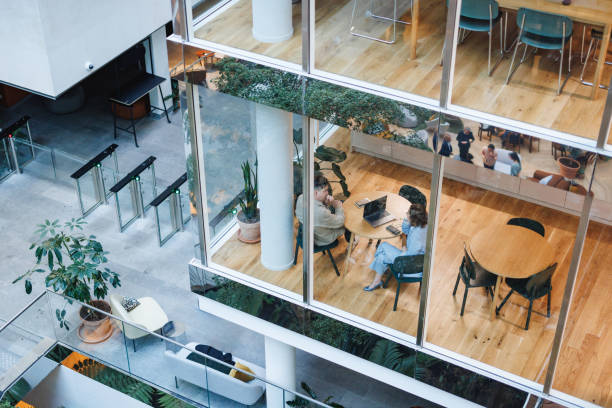
Modern design gets a strange reputation. Mention “modern,” and many people instantly picture cold white rooms, sharp corners, and spaces that look incredible online but feel awkward to live in. In real homes, though—especially across the US—the best modern architecture is anything but chilly. It’s practical. It’s comfortable. And it’s designed to make everyday life feel smoother.
That’s the part people miss. Modern architecture isn’t one strict look you have to follow. It’s more like a mindset: build with intention, keep the layout clear, prioritize light and flow, and choose materials that hold up over time. When those basics are right, the style takes care of itself. Better still, modern doesn’t have to feel sterile. With warm finishes, thoughtful lighting, and a few human touches, modern spaces can feel calm, personal, and genuinely welcoming.
If you’re collecting modern architecture ideas for a new build, a renovation, or even a future “someday” project, start here. These are design moves that photograph well for a magazine feature—but also work on a random weekday when real life is happening.
Start With How You Live, Not How It Looks on Paper
The most timeless modern homes begin with function. Not in a boring way—more in a “this makes life easier” way.
Think about the moments that repeat every day: coming in with groceries, making coffee, moving between the kitchen and the living room, finding a quiet spot to work, getting kids out the door, and hosting friends without the house feeling chaotic. A modern plan that supports those routines will always feel better than a plan that’s only meant to impress.
A few layout decisions make an immediate difference:
- Keep pathways clear so you’re not weaving around furniture or fighting awkward corners.
- Create zones in open spaces, so cooking, dining, and lounging don’t blur into one big room.
- Size rooms for real use, not just for floor plan symmetry.
- Plan storage early, so you’re not adding solutions later.
Once the layout works, the modern look becomes easier to pull off. Clean rooflines, simple façades, and larger openings feel natural when the inside of the home feels intuitive and comfortable.
Open Floor Plans Are Great—When They’re Not Just One Big Box
Open-concept living is still popular for a reason. It makes homes feel larger, keeps people connected, and helps daylight travel deeper into the space. Yet, when everything is wide open with no structure, it can start to feel loud and unfinished—like a warehouse rather than a home.
The goal isn’t to add walls everywhere. Instead, use soft boundaries that quietly organize the space while keeping it airy.
Practical ways to do that include:
- A kitchen island that naturally becomes the gathering point
- Slatted wood dividers or partial partitions that separate without blocking light
- A subtle ceiling change—a beam line, a drop over the kitchen, or a different finish
- Built-in seating that anchors a dining area without closing it off
- A fireplace or media wall that gives the living zone a clear edge
If the space still feels echo-y, soften it without clutter. A rug, upholstered seating, and textured wall finishes can make an open plan feel calm while still keeping it modern.
Let Natural Light Do the Heavy Lifting
One of the most effective modern architecture ideas is treating daylight like a design tool, not a bonus. Great modern homes don’t rely on decorative lighting to fix a space. They’re shaped around how light moves through the day. That doesn’t always mean giant walls of glass, either. Often, the smartest approach is simply placing windows with intention.
Consider daylight moves like:
- Large windows positioned where light is useful rather than harsh
- Clerestory windows that brighten rooms while protecting privacy
- Skylights over hallways and staircases
- Light wells for tight lots or urban homes
- Interior glass panels that share light between spaces
Big windows can be stunning, but comfort matters. If the sun is blasting a room in the late afternoon, the home stops feeling modern and starts feeling annoying. Thoughtful placement and shading keep the glow without the glare.
Make Indoor-Outdoor Living Feel Effortless, Not Extra
In many parts of the US, indoor-outdoor living isn’t just a trend. It’s a practical way to make your home feel bigger without adding new rooms. When it’s planned well, the outdoor area doesn’t feel separate. Instead, it feels like the house simply continues, so people actually use it more often.
The key is making it easy and comfortable. Bigger doors, level floors, and some cover from sun and rain help the space feel connected. It also helps when outdoor dining or cooking sits close to the kitchen and the materials flow naturally from inside to outside. Even in colder states, good lighting, wind protection, and a heater can turn it into a space you use for most of the year.
Warm Modern Palettes Beat White-On-White Every Time
Minimal doesn’t have to mean sterile. In fact, the most livable modern homes use warmth on purpose—through tone, texture, and finishes that feel good up close.
Instead of pure white everything, many contemporary interiors lean into softer, more grounded choices:
- Warm whites and gentle grays
- Natural oak, walnut, or ash for grounding wood tones
- Muted clay, sand, and stone shades that feel calm
- Matte black accents used sparingly for contrast
- Textured plaster or limewash for depth without visual noise
That balance is what makes modern interiors inviting. You get the clean lines and clarity, but the space still feels like a place you’d want to spend time.
Choose Materials That Look Honest—And Age Well
One of the easiest ways to spot a well-designed modern home is the material selection. The best ones don’t try to pretend. Wood looks like wood. Brick looks like brick. Concrete looks like concrete. And that honesty gives modern architecture its confidence.
Better still, many of these materials age beautifully when they’re detailed properly—more like a good leather jacket than something that wears out.
Popular modern exterior choices include:
- Fiber cement panels for clean lines and durability
- Natural wood cladding, especially when detailed to handle weather well
- Brick used in simpler, bolder forms
- Metal roofing for crisp profiles and long-term performance
- Smooth stucco or render for that minimal, gallery-like finish
A quick reality check: modern doesn’t mean fragile. Water management, clean transitions, and solid detailing are what keep a building looking sharp instead of tired. Those “boring” choices are often what separate great modern from short-lived modern.
Build Interest with Simple Shapes, Not Extra Decoration
Modern architecture often looks striking because it leans on form instead of ornament. Rather than complicated rooflines or decorative trim, modern design builds character through clean volumes arranged with intention.
You’ll notice this in homes made from a few strong shapes that feel almost sculptural.
Ideas that tend to look current and intentional:
- A main rectangle with a smaller insert that clearly marks the entry
- A second-story volume that slightly overhangs the first floor
- A recessed balcony carved into the building for shade and privacy
- A vertical stair element that breaks up the façade
- A courtyard layout that wraps living space around outdoor space
Simple forms can also make construction easier and sealing tighter, which supports comfort and efficiency in the long run.
Design The Experience—Ceiling Height and Vertical Space Matter
Floor plans show where things go, but modern homes often feel special because of what happens vertically, like ceiling height changes, stair moments, and the way spaces open up or tighten as you move through the home. Higher ceilings in main living areas with slightly lower hallway ceilings can shape the flow, and a stair that rises into natural light adds a clean focal point.
A split-level that follows the natural slope of the site can feel natural, and a small mezzanine can create a quiet spot without taking over the room. Also, a subtly sunken lounge can make a space feel cozy and planned. When these moves are used with restraint, the home feels layered and dynamic without looking busy.
Bring Nature In, Without Turning the Place into a Greenhouse
Biophilic design isn’t just adding plants. It’s about helping a space feel connected to nature through daylight, views, natural textures, and sensory comfort. Some of the best modern architecture ideas do this quietly: a framed view, fresh air, warm materials, and sunlight that changes throughout the day.
Easy ways to build that connection:
- Frame a view like art—a tree, a garden wall, a skyline
- Use wood, stone, or clay-based finishes for tactile warmth
- Add a courtyard or pocket garden, even on a smaller lot
- Choose operable windows and make airflow part of daily comfort
- Create arrivals that slow you down, like a simple garden path or porch moment
These touches don’t just look good; they can make a home feel better to live in—calmer, brighter, and more restorative.
Make Sustainability Invisible—But Real
Sustainability doesn’t need a loud aesthetic. Many high-performing modern homes look simple because the green thinking is built into the shape, orientation, and envelope—not bolted on after design decisions are already locked. Clean rooflines, compact forms, and smart window placement can have a bigger impact than people expect.
High-impact features that blend easily into modern design:
- Strong insulation and tighter construction for comfort year-round
- Heat pumps for efficient heating and cooling
- High-quality windows selected for your region and sun exposure
- All-electric kitchens where it fits your setup and lifestyle
- Cool roofs or metal roofs to reduce heat absorption
- Solar planned early, so panels sit cleanly and don’t look like an afterthought
Don’t underestimate passive moves, either. Shading, orientation, and natural ventilation can reduce long-term energy use without adding complicated systems.
Use Smart Tech Lightly—So It Feels Invisible
Smart home upgrades can be fantastic when they disappear into the background. The goal isn’t to turn your home into a gadget showroom. It’s to reduce friction: better comfort, fewer surprises, and less wasted energy.
Smart features that tend to feel genuinely useful:
- Smart thermostats that adapt to your routine
- Lighting scenes for mornings, evenings, and entertaining
- Motorized shades for large windows with harsh afternoon sun
- Leak sensors in laundry and mechanical areas
- Security systems that integrate discreetly with design
Plan wiring and equipment zones early, and you’ll avoid visible cords and awkward add-ons that fight the clean, modern look.
Treat Storage Like Architecture
Modern interiors stay calm because storage is integrated. Instead of adding extra furniture to hide clutter, look for built-ins and concealed zones that feel intentional.
Modern storage ideas that almost always payoff:
| Storage idea | Best for |
| Full-height pantry wall | Clear counters |
| Mudroom bench drawers | Shoes + bags |
| Closed media wall | Hide clutter |
| Storage window seat | Toys + throws |
| Tall closets | Extra space |
It’s one of the most practical modern architecture ideas you can borrow, because it makes your home easier to live in every day.
Mix Modern Influences So It Feels Human
Some modern homes feel too perfect—like nobody’s allowed to relax. Mixing styles is often what makes modern spaces feel like real homes.
In the US, the most compelling modern interiors blend influences rather than following one strict aesthetic. Mid-century proportions with contemporary detailing. Scandinavian simplicity warmed up with richer materials. Japanese-inspired calm paired with open, light-filled layouts.
Combinations that tend to work well:
- Modern minimalism + natural wood warmth
- Industrial accents + refined lighting
- Mid-century furniture + contemporary architecture
- Japanese calm + modern glazing and flow
Keep one element consistent—palette, geometry, or materials—so the blend feels intentional, not random.
Quiet Luxury Comes from the Details
Modern design doesn’t hide mistakes. That’s why the small stuff matters: alignments, proportions, and junctions that look effortless.
Details that read premium without shouting:
- Simple shadow gaps or clean, flush baseboards
- Window heights that align across a façade
- Minimal, high-quality hardware
- Layered lighting that flatters spaces at night
- Exterior lighting that highlights form rather than blasting glare
These choices also improve everyday function by reducing maintenance and keeping the home easy to live with.
Let The Site Shape the Modern Look
Ultimately, the best modern architecture ideas are the ones that respond to the site itself. A truly modern home should not feel copied and placed anywhere; it should reflect the lot’s natural conditions, including sunlight, wind, slope, privacy needs, neighboring homes, and local character. Thoughtful choices such as balanced setbacks, well-placed outdoor living areas, screened courtyards, climate-appropriate shading, and exterior materials that suit the surroundings can make a design feel both fresh and grounded. When a home is shaped by its setting, it feels personal, practical, and built to belong. For more thoughtful home design insights and modern building inspiration, explore Contruct N Build and discover ideas that help bring smarter, more site-aware spaces to life.
FAQs
What are the best modern architecture ideas for small homes?
Focus on smart zoning, built-in storage, and strong daylight planning. Use fewer materials, simpler forms, and flexible rooms so the home feels larger.
How can modern architecture feel warm instead of cold?
Use wood tones, textured finishes, layered lighting, and softer neutrals. Add comfort with rugs, upholstery, and greenery so the space feels lived-in and welcoming.
Are modern homes usually more energy-efficient than traditional homes?
They can be, especially with good insulation, efficient windows, and thoughtful orientation. Performance still depends on build quality, local climate, and shading choices.
Which exterior materials work best for modern architecture in the US?
Fiber cement, brick, wood cladding, metal roofing, and smooth stucco are common. Choose based on weather exposure, maintenance needs, and clean transitions between materials.
How do I keep an open floor plan from feeling messy?
Use islands, built-ins, ceiling shifts, and rugs to define zones. Plan storage early so everyday items disappear quickly, and the space stays visually calm.
What modern architecture ideas help increase resale value the most?
Prioritize functional layouts, natural light, energy-saving upgrades, durable finishes, and integrated storage. Timeless decisions usually sell better than trendy features.